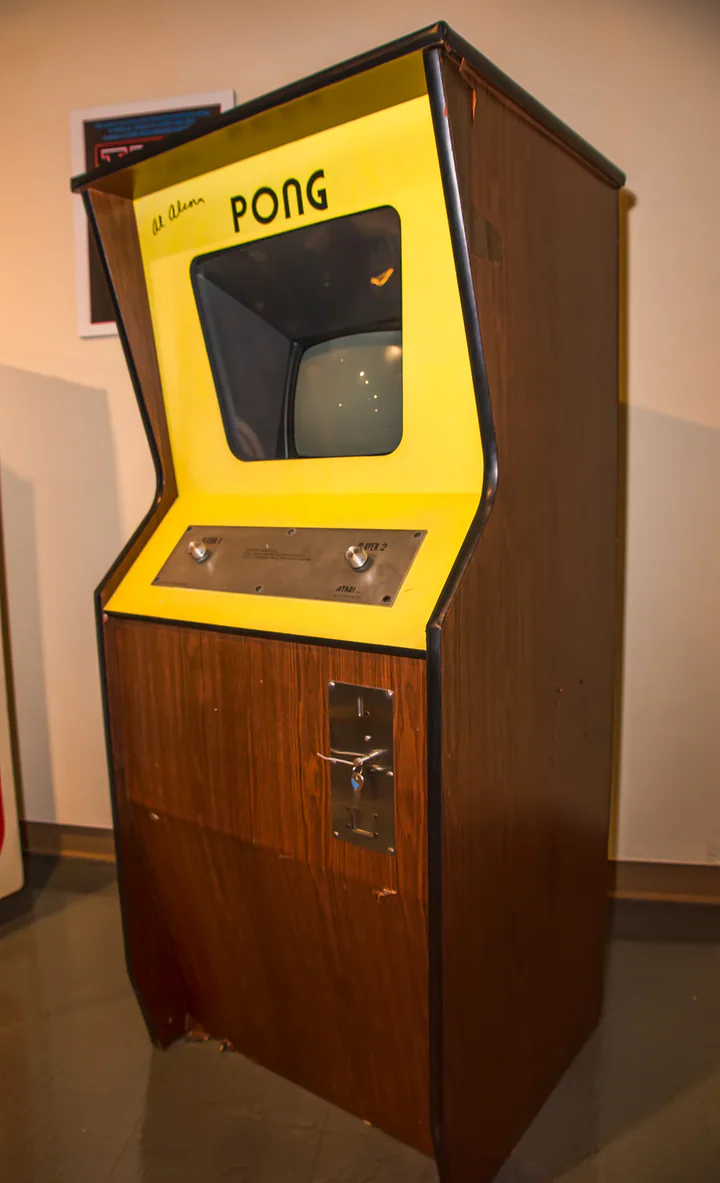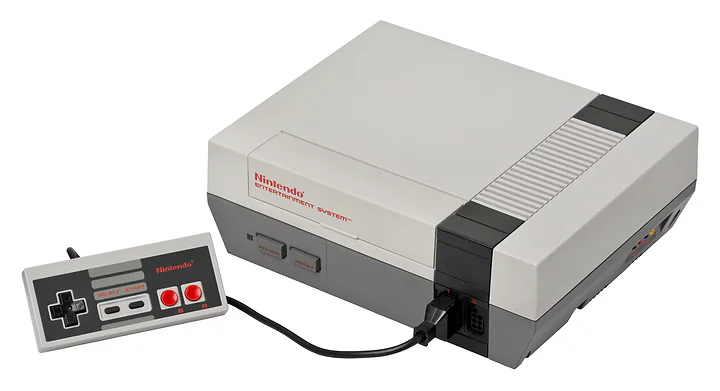
Arcade games were never meant to last. They were built to earn coins for a few years and then be replaced. Their circuit boards wear out, their capacitors leak, and some were designed to self-destruct. When the hardware dies, the game dies with it, unless someone has written down exactly how it worked.
That's what MAME does. On February 5, 1997, an Italian programmer named Nicola Salmoria released the first version of the Multiple Arcade Machine Emulator. It started with a handful of games. Today it documents tens of thousands of machines.
Preservation first, play second
MAME's own mission statement is unusual: its goal is to document how arcade hardware works, so that the knowledge outlives the machines. Being able to play the games is described as a nice side effect. That's why MAME aims for accuracy rather than speed. It reproduces each chip's real behaviour, bugs included, so that a game runs exactly as it did in 1985.
How it grew
- Hundreds of volunteers have contributed, with many of them reverse-engineering chips by reading their circuits under a microscope.
- In 2015 MAME merged with MESS, a sister project that emulated home computers and consoles.
- In 2016 MAME became fully open source, so anyone can study and improve the code.
The legal line
MAME itself is legal. The game files it runs, called ROMs, still belong to the companies that made them. The best way to play classics today is through official re-releases, such as Hamster's Arcade Archives series, Capcom's fighting game collections and Pac-Man Museum+, many of which are built on the same knowledge emulation preserved.
The legacy
Thanks to MAME and the people behind it, a 1981 cabinet that rotted in a warehouse can still be studied, speedrun and enjoyed. Museums, historians and game designers rely on it. Next: how StarCraft and the PC bang built modern esports in Korea.