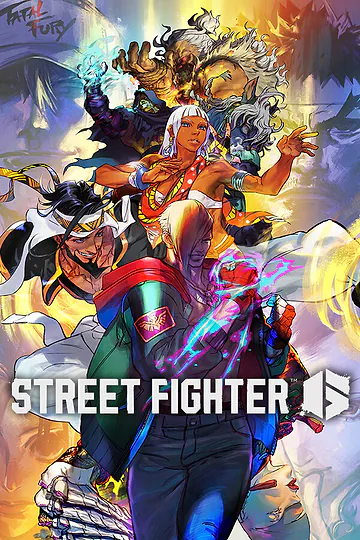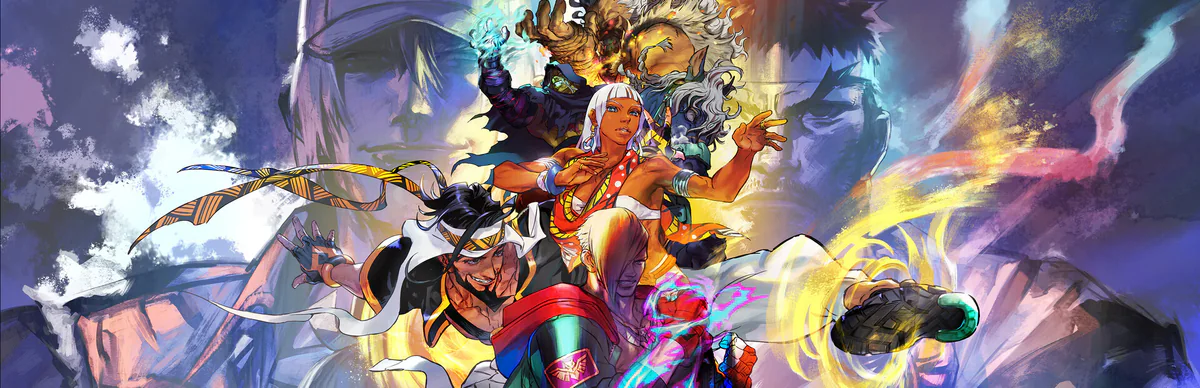
If you walked into any arcade in 1991, in Seoul, Osaka or Ohio, you'd find the same scene: a crowd around one cabinet, coins lined up on the glass to claim the next game, and someone shouting "Hadouken!" Street Fighter II: The World Warrior came out in February 1991, and it turned fighting games from a curiosity into a culture.
The sequel that fixed everything
The first Street Fighter (1987) had a good idea but awkward controls and only one playable hero. For the sequel, Capcom's team, led by planners Akira Nishitani and Akira "Akiman" Yasuda with producer Yoshiki Okamoto, made big changes:
- Eight playable fighters, each from a different country, each with a different fighting style and personality: Ryu, Ken, Chun-Li, Guile, Blanka, Zangief, Dhalsim and E. Honda.
- Six buttons, with light, medium and heavy punches and kicks.
- Special moves with joystick motions to learn, which gave players something to master.
Chun-Li and the cast
Street Fighter II's characters became stars in their own right. Chun-Li was the first playable female fighter in a major fighting game, and her spinning bird kick is still famous. Guile's theme music became an internet joke because "it goes with everything", and the fighters later starred in films, cartoons and countless crossover games.
From arcades to the world stage
Street Fighter II created a new kind of player: someone who studied matchups, practised combos and travelled to beat the best locals. That competitive scene grew into the fighting game community (FGC) and its biggest event, Evo in Las Vegas.
The legacy
Street Fighter II sold in huge numbers in arcades and on the Super Nintendo, and it spawned Mortal Kombat, Tekken, King of Fighters and every fighter since. Thirty-five years on, Street Fighter 6 fills arenas at Evo. In Korea the game helped define the 오락실 (arcade) culture of the early 1990s. Next: Doom, which did for PCs what SF2 did for arcades.